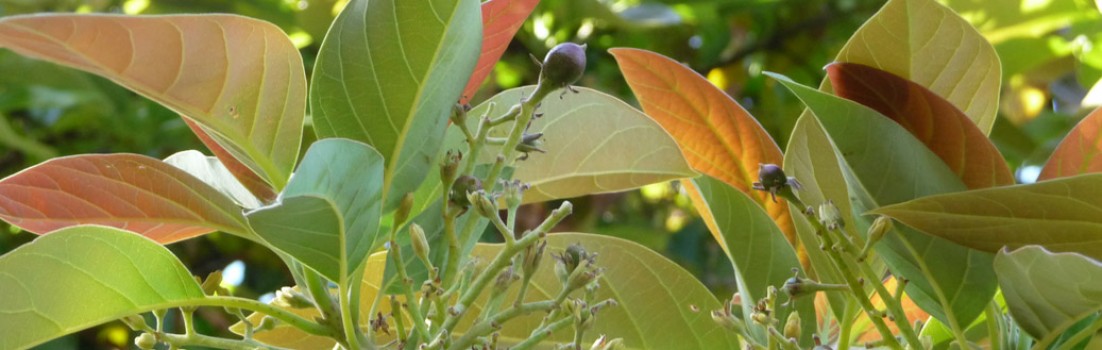
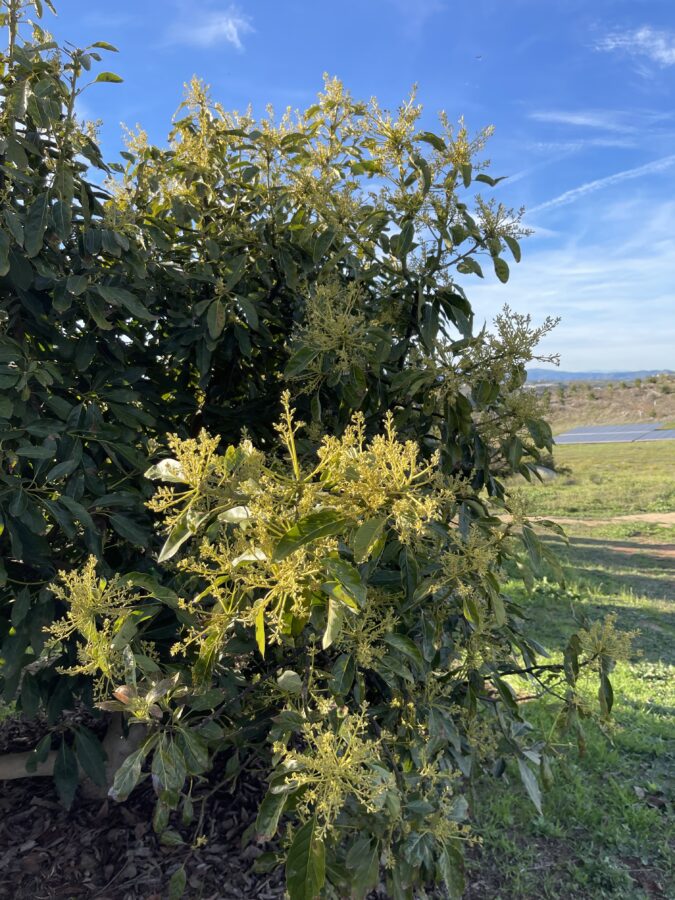
For many years, when I looked out across our farm, I saw avocados. I enjoyed sharing life on a Southern California farm with all of you.
Avocados became part of the rhythm of our lives—the seasons, the weather, the irrigation, the harvests, and all the surprises that come with trying to grow something for a living. They also became the inspiration for Mimi Avocado and for so many of the stories I’ve shared here over the years.
But farms change.
And, as it turns out, so do farmers.
A New Season on the Farm
The land doesn’t stay exactly the same from year to year. Trees grow older. Crops change. Weather changes. Markets change. We make decisions we never expected to make, and sometimes we find ourselves interested in things we never imagined would become part of our lives.
That is happening here.
Avocados are still part of our farm and part of our story. But lately, something else has been capturing my attention: protea.
Actually, I should say Proteaceae, because I’m quickly discovering that what I casually called “protea” is an entire family of fascinating plants—Protea, Leucospermum (pincushions), Leucadendron, Banksia and more.
And I have a lot to learn.
Becoming a Beginner Again
That’s one of the things I’m enjoying most.
I’m not coming to you as a protea expert. I’m coming to you as someone who is curious.
I’m learning which varieties grow well here, what they need, when they bloom, how they’re harvested and why one plant can look completely different from another member of the same family. I’m learning their names—and occasionally trying to remember which name belongs to which plant!
There’s something rather wonderful about becoming a beginner again.
At this stage of life, it would be very easy to stick with the things I already know. Instead, I find myself wanting to learn new things, make things, grow things and see where my curiosity takes me.
Protea happens to be one of those new directions.
More Than a Change in Crops
Perhaps that’s why the changes on the farm feel connected to changes in my own life.
My interests have expanded. Music has always been an important part of my world, as I have taught piano and directed choirs for most of my career. Now instead of teaching, I’m the one practicing and taking lessons with a great flute teacher. I’m still playing with Coastal Communities Concert Band.
I have been taking art classes online with a wonderful teacher as well, something brand new that I never tried before. Most recently I have started weight training with an encouraging coach in addition to the Pilates I have enjoyed twice a week for years with Greta Bolton of Studio Radiance. All of these things prove that it is never too late to start something new!
And I still have a farm, a family, projects, ideas and plenty of stories to tell.
So Mimi Avocado is changing, too.
You’ll still find avocados here. They’re part of who I am and how this blog began. But you’ll also begin seeing protea and flowers, farm life, music, art, fitness, and some thoughts about what it’s like to keep discovering new interests as the years go by.
I don’t know exactly where all of this will lead.
But maybe that’s the best part.
The farm is changing. I’m changing. And life on Southern California farms is changing
It’s fun to tour the avocado groves after the rain storms, even though the breeze is cold and stings my face. The smell of the freshly watered soil and an occasional waft of sweet blosssoms reminds me that winter is just about over. Clouds make dramatic statements in the sky, with some teasing of blue skies and colorful sunrises or sunsets in between the storms.
Last weekend we had beautiful warm, sunny weather. In the springtime, I love to tour our avocado groves, just to see if there are any trees in bloom and to enjoy the gorgeous views.
This is the time of year when we begin to find blossoms in the avocado trees. Some are just “off blooms” caused by the weather or the health of the individual tree. Some trees are blooming because their variety is earlier than most. For example, the Gems and Mexicolas are already pushing out flowers while most of the grove beginning to bud. We usually expect most of the bloom to begin in later February and continue into March and April, when the avocado groves will appear to have mounds of light green froth replacing the foliage, accompanied by the buzzing of thousands of bees. In fact, the flowering of the trees causes the leaves to droop sometimes, as the tree gives all it’s energy to producing the flowers that will become new baby avocados.
California is known for sunny winters, but farmers hope that plenty of rain will fill reservoirs and leach the accumulated salts from the soil. On those cold, cloudy days, New England Clam Chowder is one of our favorite comfort foods. Make a big pot of clam chowder on a weekend, serve with a salad and some crackers. Use your favorite bacon, lots of veggies, and plenty of potatoes for a chunky, hearty chowder. There’s nothing like coming in from working outside to find a steaming pot of chowder on the stove, anytime of the day!
Here is your new favorite quickbread! I made two loaves this morning — one with gluten free all purpose flour and the other with regular flour — and they both turned out so well! Pears and pumpkin together are tasty and beautiful. This bread recipe uses pumpkin pie spices that will make your home smell like Thanksgiving any day of the year. Our family has been ‘gobbling” up this bread, and I’m ready to make a new batch right away.
Used to monitor number of Google Analytics server requests when using Google Tag Manager
1 minute
_gid
ID used to identify users for 24 hours after last activity
24 hours
_ga_
ID used to identify users
2 years
_gali
Used by Google Analytics to determine which links on a page are being clicked
30 seconds
_ga
ID used to identify users
2 years
__utmx
Used to determine whether a user is included in an A / B or Multivariate test.
18 months
__utmv
Contains custom information set by the web developer via the _setCustomVar method in Google Analytics. This cookie is updated every time new data is sent to the Google Analytics server.
2 years after last activity
__utmz
Contains information about the traffic source or campaign that directed user to the website. The cookie is set when the GA.js javascript is loaded and updated when data is sent to the Google Anaytics server
6 months after last activity
__utmc
Used only with old Urchin versions of Google Analytics and not with GA.js. Was used to distinguish between new sessions and visits at the end of a session.
End of session (browser)
__utmb
Used to distinguish new sessions and visits. This cookie is set when the GA.js javascript library is loaded and there is no existing __utmb cookie. The cookie is updated every time data is sent to the Google Analytics server.
30 minutes after last activity
__utmt
Used to monitor number of Google Analytics server requests
10 minutes
__utma
ID used to identify users and sessions
2 years after last activity
_gac_
Contains information related to marketing campaigns of the user. These are shared with Google AdWords / Google Ads when the Google Ads and Google Analytics accounts are linked together.
90 days
Jetpack's built-in visitor analytics. It records page views, referring sites, search terms, and outbound link clicks, and also carries the shared visitor-tracking library used by Jetpack Instant Search and WooCommerce Analytics.